What is Alternative Medicine?
Alternative medicine refers to a broad range of healing approaches and treatments that differ from conventional Western medicine. These include therapies like acupuncture, herbal remedies, chiropractic care, homeopathy, naturopathy, and other holistic practices. These therapies approaches focus on holistic healing, usually focusing on the body’s natural ability to restore its own health.
Unlike mainstream medicine, which primarily relies on pharmaceuticals and surgical procedures, alternative medicine often includes lifestyle changes, dietary adjustments, and mind-body techniques. Some examples of alternative medicine, like acupuncture and herbal remedies, have been used for centuries and are supported by traditional medical systems like Traditional Chinese Medicine (TCM) and Ayurveda.
While some alternative treatments have scientific validation, others lack necessary research. Many people use alternative medicine in conjunction with conventional treatments, a practice called complementary alternative medicine. To effectively use it one needs an understanding which approaches are safe, evidence-based, and suitable for individual health needs.
Common Types of Alternative Therapies
Alternative therapies focus on a mix of holistic healing and natural approaches to maintaining health. Many of these methods aim to support the body’s natural healing processes, addressing both physical and emotional health. While some are based on ancient traditions, others have gained certain scientific backing in recent years. Below are some of the most commonly used alternative therapies.
Acupuncture
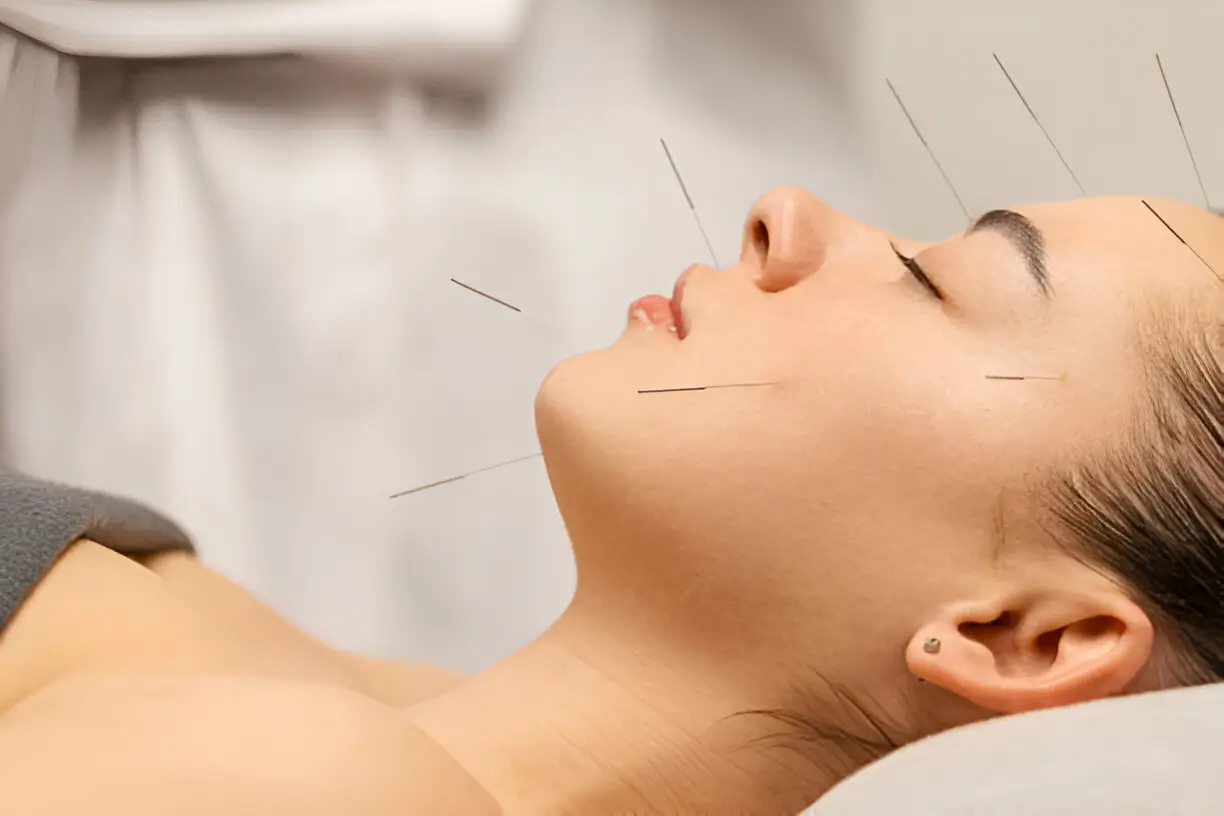
Acupuncture is a key component of Chinese alternative medicine, called Traditional Chinese Medicine (TCM) that includes inserting thin, sterile needles into specific points on the body to boost healing and balance. It works by stimulating the nervous system, increasing blood circulation, and triggering the release of endorphins, the body’s natural painkillers. Acupuncture is used to treat chronic pain, migraines, digestive issues, stress, and even fertility concerns. Studies suggest it can help regulate the immune system and reduce inflammation. Often used as a complementary therapy, acupuncture is a drug-free and minimally-invasive option that supports overall health and can be easily personalized to fit each person’s unique needs.
Ayurveda
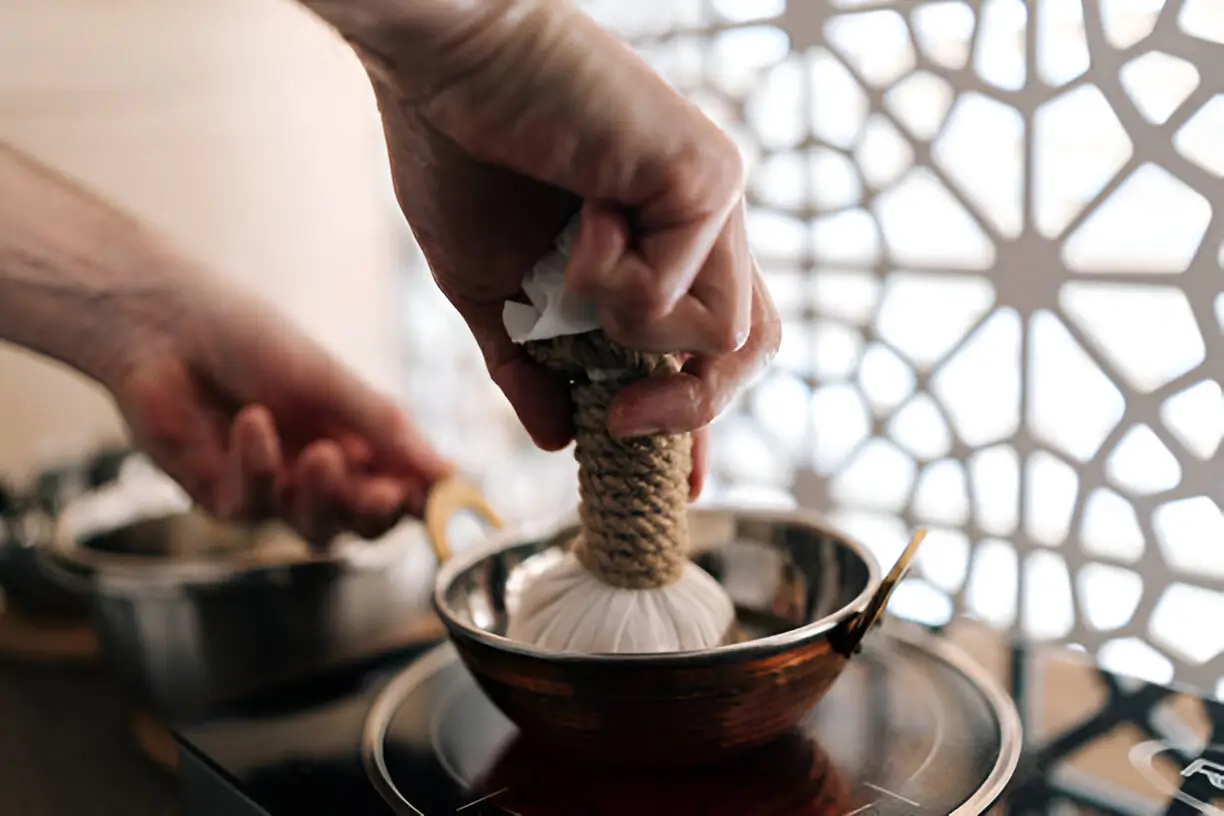
Ayurveda is an ancient Indian system of medicine that focuses on balancing the body, mind, and spirit to benefit overall health. It is based on the concept of three doshas (fundamental energies) – Vata (movement, circulation, flexibility), Pitta (metabolism, body temperature, digestion), and Kapha (structure, strength, immunity). Ayurvedic treatments include herbal remedies, dietary guidelines, yoga, meditation, and detoxification therapies like Panchakarma. It focuses on prevention, using natural methods to provide healing. Ayurveda is commonly used for digestive issues, stress management, chronic pain, and skin conditions.
Homeopathy
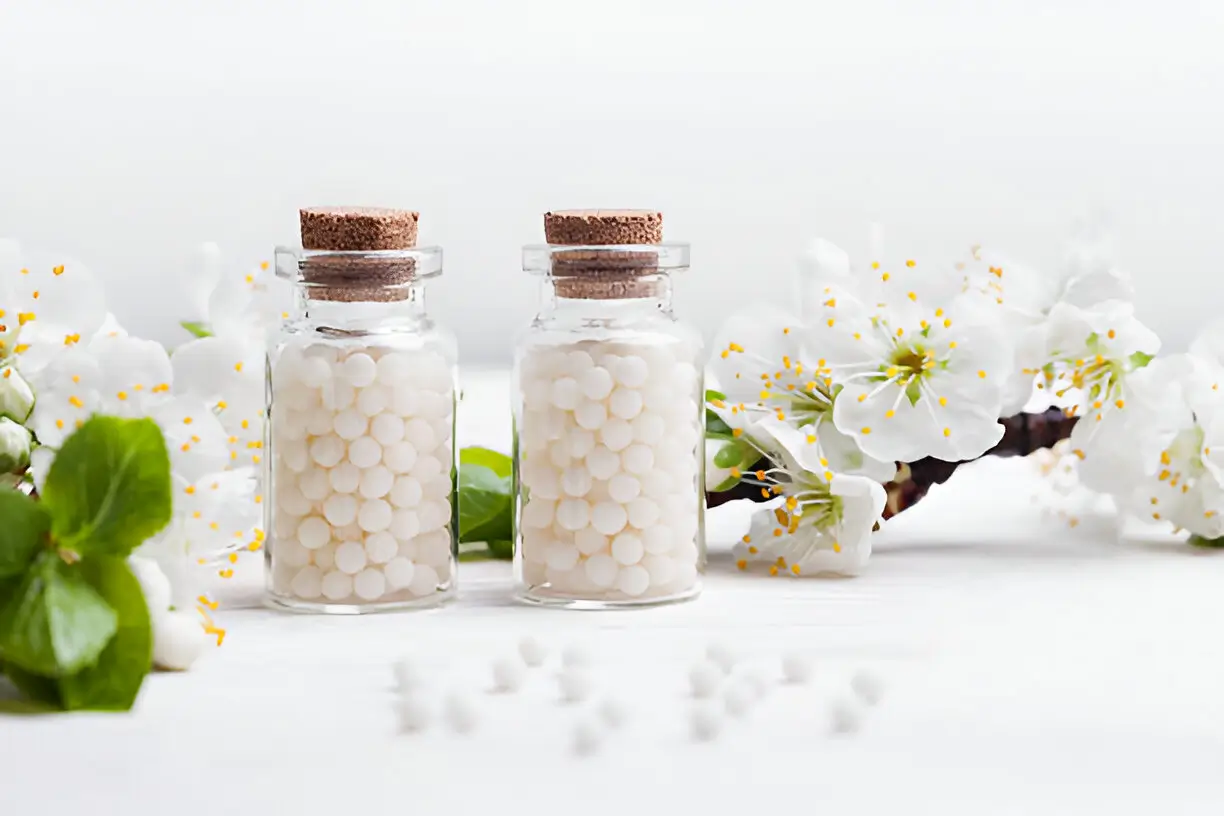
Homeopathy is a system of alternative medicine based on the principle of “like cures like,” meaning that substances that cause symptoms in large amounts can treat similar symptoms in highly diluted doses. Developed in the 18th century by Samuel Hahnemann, homeopathic remedies use natural ingredients from plants, minerals, and animals, diluted to extremely low concentrations. Practitioners believe this stimulates the body’s self-healing mechanisms. Homeopathy is commonly used for allergies, colds, digestive issues, and chronic pain. While widely practiced, there is not enough scientific evidence to prove its effectiveness, while many suggest that its benefits are due to the placebo effect.
Herbal Medicine
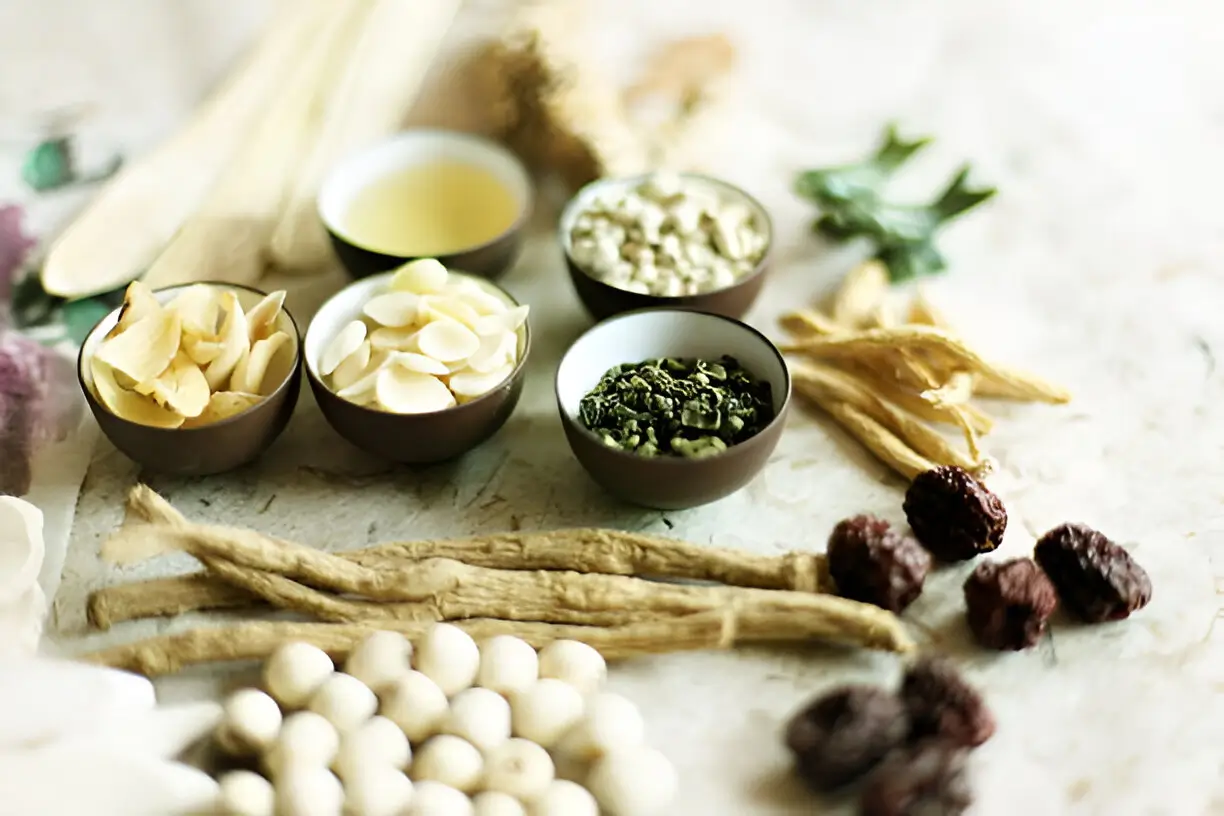
Herbal medicine is the use of plant-based remedies to prevent, manage, or treat various health conditions. Practiced in many traditional healing systems, including Traditional Chinese Medicine (TCM) and Ayurveda, it includes using herbs, roots, seeds, and extracts for therapeutic purposes. Commonly used herbs are turmeric for inflammation, ginger for digestion, and echinacea for immune support, among others. Herbal medicine is often taken as teas, tinctures, capsules, or topical applications. While some herbs have strong scientific backing, others need more research. It’s important to use herbal treatments cautiously, as they can interact with medications or cause side effects if not properly used. Professional assistance is highly recommended.
Chiropractic Care

Chiropractic care is a form of holistic alternative medicine focused on diagnosing and treating musculoskeletal disorders, like those related to the spine. It includes spinal adjustments and manual manipulations to improve joint function, ease pain, and support the nervous system. Chiropractors commonly treat back pain, neck pain, headaches, and sciatica, using different hands-on techniques. Some practitioners also include therapies like massage, stretching, and rehabilitative exercises to improve results. While chiropractic care is widely recognized for pain management, research suggests it may also benefit posture, flexibility, and overall physical function.
Naturopathy

Naturopathy is a holistic approach to health that focuses on the body’s ability to heal itself using natural therapies. It combines multiple treatment methods, like herbal medicine, nutrition, lifestyle counseling, acupuncture, and physical therapies to prevent and manage certain diseases. Naturopathic doctors (NDs) focus on identifying root causes rather than just treating symptoms. Common conditions addressed include digestive disorders, hormonal issues, chronic pain, and fatigue. Naturopathy is often used in conjunction with conventional medicine as a complementary therapy.
What are The Benefits of Alternative Medicine?
Alternative medicine offers a holistic approach to health, which means it focuses on addressing both physical and mental issues. Many people turn to these therapies for long-term health benefits, pain relief, and disease prevention. Here are some most common alternative medicine benefits:
- Natural Healing. Triggers the body’s self-healing mechanisms rather than relying on pharmaceuticals.
- Fewer Side Effects. Many alternative therapies use natural ingredients or non-invasive techniques, minimizing the risk of adverse reactions.
- Personalized Treatments. Most alternative therapies can be easily customized to fit each individual’s needs.
- Better Mental Health. Practices like acupuncture, meditation, and herbal remedies help reduce stress and anxiety.
- Complements Conventional Medicine. Can be used alongside mainstream treatments to improve clinical outcomes. Professional help is required.
- Focus on Prevention. Promotes healthy lifestyle choices to prevent illness rather than just treating them.
Evidence and Research in Alternative Medicine
There are countless researches supporting alternative medicine treatments effectiveness. Here are just a few of them:
- A 2020 study shows that certain herbs (like Capsaicin) offer pain relief. According to another study, ginger can be as effective as ibuprofen in treating postoperative pain. Meanwhile, feverfew can effectively reduce inflammation and muscle spasms.
- According to one of the recent studies, Lavender essential oils can effectively reduce pain from artery needle insertion. Another recent study shows that Eucalyptus essential oils can help patients with rheumatoid arthritis by easing pain and improving quality of life.
- According to 2020 research, yoga can be used to significantly reduce back pain.
- While acupuncture is another alternative for back pain treatment, as well as neck and knee pain.
Is Alternative Medicine the Same as Complementary Medicine?
Complementary and alternative medicine are not the same. Alternative medicine means treatments used instead of conventional medical approaches. This includes already mentioned therapies like acupuncture, homeopathy, and naturopathy as primary treatments rather than standard medical care.
On the other hand, complementary medicine is used in conjunction with conventional medicine to improve clinical outcomes. For example, people suffering from medications’ side effects may use acupuncture to manage nausea or meditation to reduce stress.
Both approaches focus on holistic healing, but complementary medicine works in combination with traditional treatments, while alternative medicine replaces them entirely in some cases.
How to Choose a Qualified Practitioner
Choosing a qualified alternative medicine practitioner is very important if you need safe and effective treatment. Start by researching their education, certifications, and licenses – many fields, like acupuncture and chiropractic care, require formal training, accreditation, and licensure to practice (in most states). Look for practitioners affiliated with recognized organizations, like the National Certification Commission for Acupuncture and Oriental Medicine (NCCAOM) for acupuncturists or the American Chiropractic Association (ACA) for chiropractors, and so on.
Next, assess their experience and specialization. A reliable practitioner must have extensive experience in a chosen field. Reading patient reviews and testimonials can help you choose the best local practitioners. Finally, schedule a consultation with your chosen practitioner.
Conclusion: Embracing a Holistic Path to Wellness
Alternative medicine offers a natural, usually personalized approach to health that focuses on the body’s ability to heal and support itself. Whether you need relief from chronic pain, stress, or specific conditions, therapies like acupuncture, herbal medicine, and Tui Na massage provide effective, holistic options.
At Pulse Acupuncture, with locations in Clifton, NJ, and Williamsburg, Brooklyn, Marina Doktorman, L.Ac., specializes in safe and evidence-based treatments. Our acupuncture clinic offers various solutions for pain relief, including acupuncture for frozen shoulder and acupuncture for spinal stenosis, helping patients restore mobility and greatly improve quality of life.
If you’re looking for a trusted, holistic approach to health, visit Pulse Acupuncture and discover how alternative medicine can make you feel the difference.
Read also:
- What to Wear to Acupuncture
- Can Acupuncture Help with Allergies?
- What Does Aromatherapy Do to Help You Feel Better?
Frequently Asked Questions About Alternative Medicine
What is Alternative Medicine?
Alternative medicine refers to a range of healing practices and therapies that fall outside the scope of conventional Western medicine. These approaches focus on treating the whole person — mind, body, and spirit — rather than just symptoms. They often emphasize natural and holistic healing methods such as acupuncture, herbal medicine, chiropractic care, meditation, and massage therapy.
What are Some Common Types of Alternative Medicine?
Some widely practiced forms of alternative medicine include:
– Acupuncture: Insertion of fine needles into specific points to balance energy flow.
– Herbal Medicine: Use of plant-based remedies to restore health and balance.
– Homeopathy: Using highly diluted substances to stimulate the body’s healing response.
– Chiropractic Care: Manual manipulation of the spine to improve alignment and relieve pain.
– Naturopathy: Focuses on natural treatments like diet, exercise, and herbal therapies.
– Ayurveda: An ancient Indian system emphasizing body-mind balance through herbs, diet, and lifestyle.
– Reiki and Energy Healing: Practices aimed at restoring the body’s energy flow.
– Traditional Chinese Medicine (TCM): Includes acupuncture, herbs, and dietary therapy to balance Qi (life energy).
Is Alternative Medicine Safe?
Most alternative therapies are safe when performed by qualified practitioners. However, not all treatments are suitable for everyone. Some herbal remedies may interact with prescription medications or have side effects. It’s important to consult a licensed or certified practitioner and inform your healthcare provider about any alternative treatments you’re considering.
What Conditions Can Alternative Medicine Help Treat?
Alternative therapies can support a variety of conditions, such as:
– Chronic pain (e.g., arthritis, migraines, back pain)
– Stress, anxiety, and depression
– Digestive issues
– Allergies and respiratory conditions
– Sleep disorders
– Hormonal and fertility issues
– Immune support and overall wellness
While not a substitute for emergency or serious medical care, many therapies enhance overall well-being and quality of life.